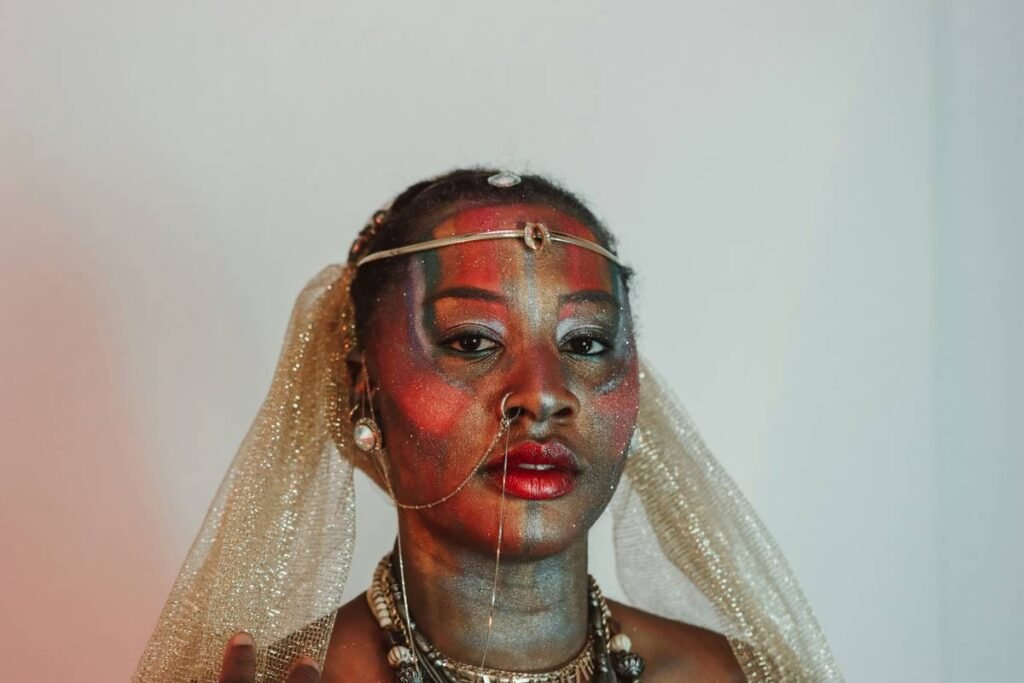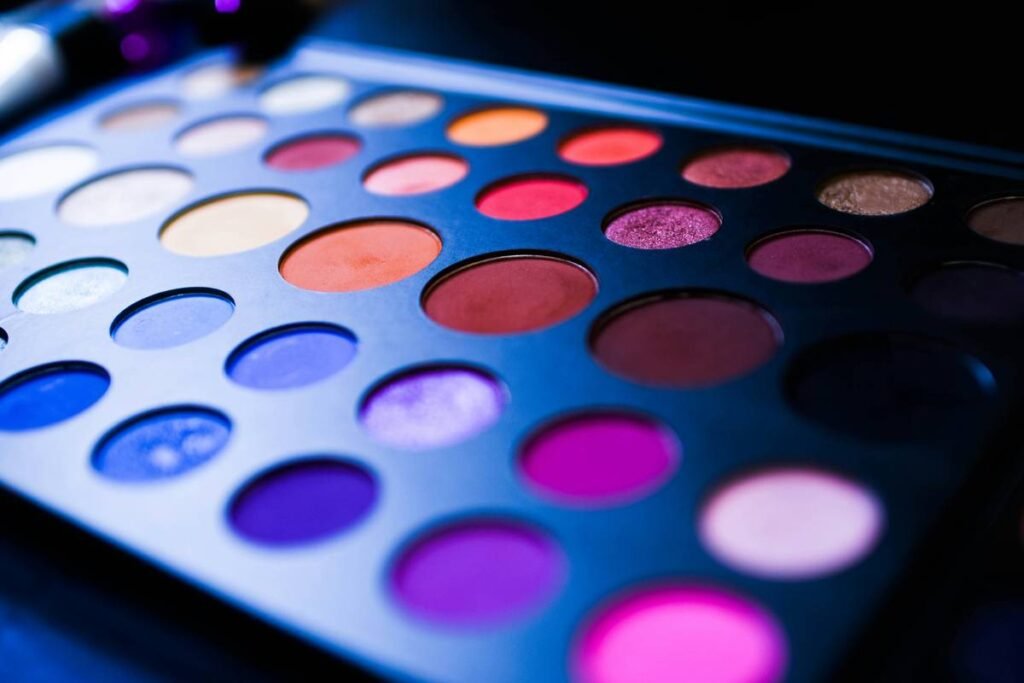
Most artists treat makeup like paint-by-numbers—safe, predictable, soulless. You spend hours blending foundation only to erase what makes you visually arresting. The result? Generic looks that vanish in a sea of Instagram filters. But creative makeup art isn’t about covering up—it’s about conjuring worlds on skin.
Why Traditional Makeup Rules Crush Fantasy Vision
Beauty tutorials preach “flawless” skin and symmetrical brows like commandments. Fine for date night. Useless when you’re channeling a storm-witch or cybernetic fae. Standard products fail under bold pigments, heavy layering, or unconventional textures.
And studio lighting? It murders iridescence. Your duochrome wings look divine in daylight—but flatten into mud under fluorescents. Most don’t realize their technique isn’t the issue. Their materials are.
Building Your Creative Makeup Art Toolkit: A Practitioner’s Blueprint
Selecting Skin-Safe Fantasy Pigments
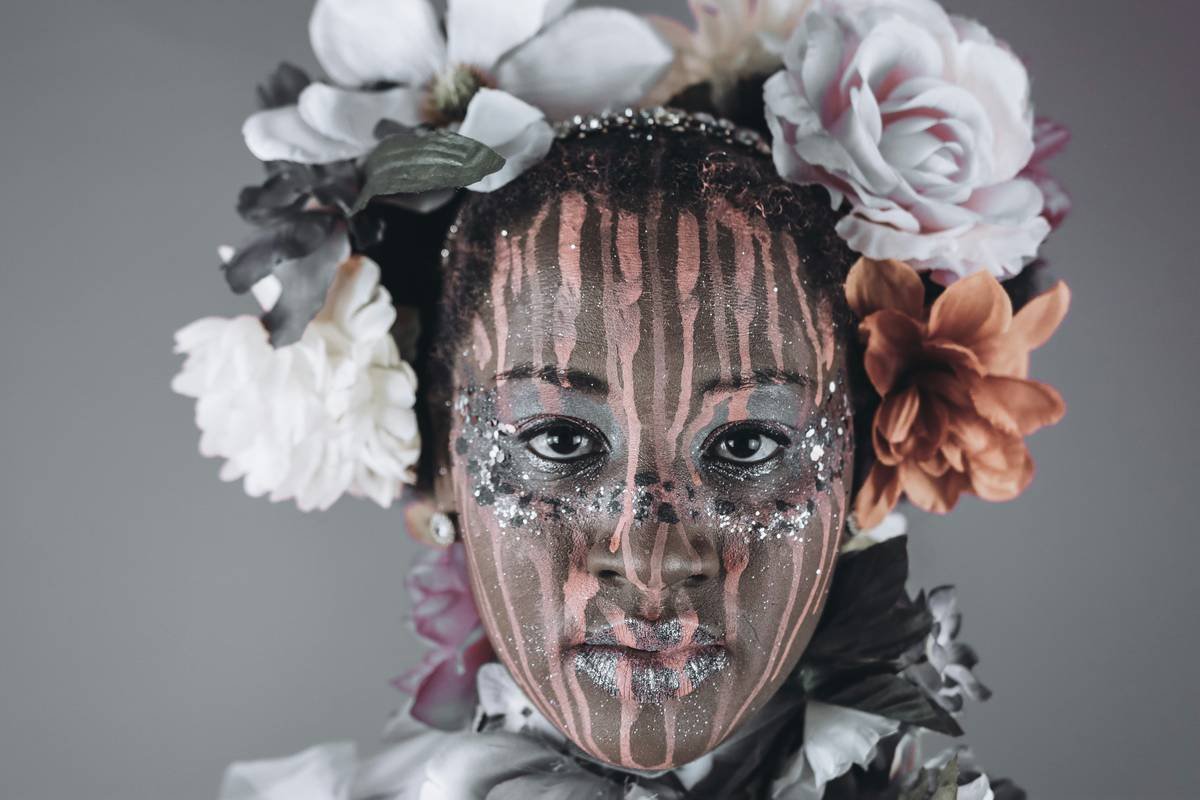
Not all glitter is cosmetic-grade. Craft store sparkles contain microplastics that slice delicate skin. Stick to FDA-compliant mica-based powders. Brands like Mehron Paradise AQ or Kryolan Aquacolor dissolve cleanly—and bond tightly under sweat or stage lights.
Texture Layering Without Caking
Latex scars under liquid highlighter? Disastrous. Build dimension backward: start with matte base layers, then add wet-look glosses or metallic foils last. Let each dry fully—or use a setting spray formulated for prosthetics (Ben Nye Final Seal is gold standard).
Removing Extreme Looks Safely
Scrubbing off spirit gum with alcohol wipes = red, raw skin. Oil-based removers (like cinema-grade Quick Cleanse) melt adhesives without stripping your barrier. Follow with ceramide cream—not aloe gel—to repair overnight.
| Technique | Best For | Cost Range | Durability (Hours) |
|---|---|---|---|
| Airbrush Body Paint | Full-body creatures, seamless gradients | $120–$300 | 8–12 |
| Alcohol-Activated Paints | High-detail scarring, tattoos, armor | $30–$75 | 10–16 |
| Cosmetic Glitter + Adhesive | Eyes, collarbones, ethereal accents | $8–$25 | 4–6 |
| Silicone-Based Prosthetics | 3D horns, scales, facial extensions | $200–$600+ | 12–24 |
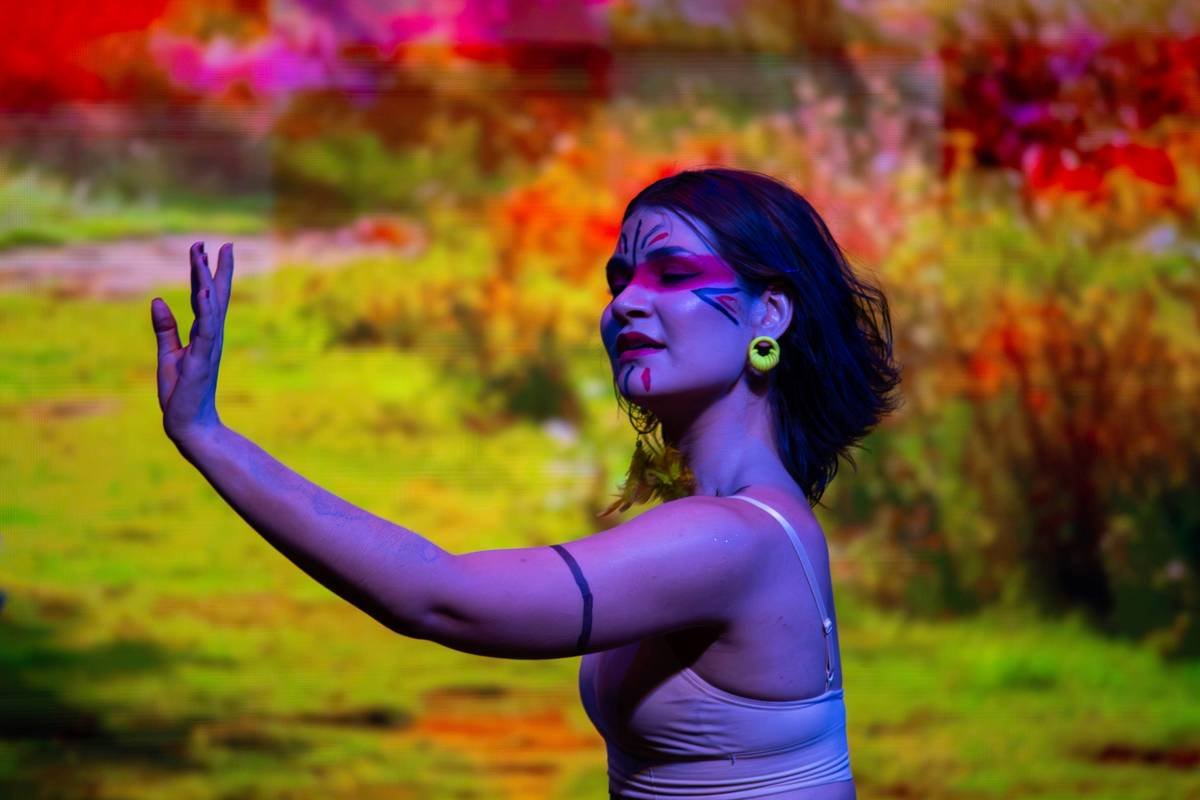
The Industry Secret No One Talks About: Lighting Dictates Color Choice
Here’s the reality: your emerald-green scale pattern might read as black under tungsten bulbs. I once watched a finalist at a major convention get disqualified—not for skill, but because her “blood-red” veins appeared brown in judges’ photos. Always test your palette under the exact lighting you’ll perform in. Daylight-balanced LEDs? Cool white fluorescents? Match pigment temperature to environment.
Think about it. Titanium dioxide reflects UV; iron oxides absorb it. That means some blues vanish outdoors while reds intensify. The math is simple: if you skip this step, you’re designing blind.
Frequently Asked Questions
Can beginners do creative makeup art?
Absolutely. Start with one-color transformations—like monochromatic mermaid scales using pressed pigments and a damp brush. Complexity comes later.
How do I make fantasy makeup last all day?
Prime with alcohol-based barrier spray, set each layer with translucent powder, and finish with glycerin-free sealant. Avoid touching your face.
Is creative makeup art safe for sensitive skin?
Only if you patch-test first. Alcohol-activated paints can sting—opt for water-activated alternatives like Paradise AQ if prone to reactions.