Struggling with patchy blending, muddy colors, or brushes that shed bristles mid-performance? You’re not alone. Most fantasy makeup artists waste hours correcting mistakes caused by tools they assume are “good enough.” The fix isn’t more pigment—it’s better theatrical makeup brushes.
Why Your Current Brushes Are Sabotaging Your Stage Look
Standard cosmetic brushes fail under theatrical lighting and heavy pigments. They weren’t designed for alcohol-activated paints, greasepaint, or rapid layering on sweaty skin. And most “pro” kits sold online? Mass-produced with synthetic fibers that flatten after two uses.
Think about it—stage lights magnify every brushstroke. A soft eyeshadow dome won’t cut through thick foundation meant to last eight performances straight.
How to Choose & Use Theatrical Makeup Brushes Like a Veteran FX Artist
Fiber Type Matters More Than Brand Name
Natural hair (sable, kolinsky) holds cream-based products beautifully. But for water-activated face paints? Go dense, short-bristle synthetics—they resist fraying when scrubbed clean with 70% isopropyl alcohol.
Shape Dictates Precision—Not Price
A $4 flat shader can outperform a $30 tapered blender if you’re blocking in elf ears or dragon scales. Match the brush head to the job: angular for crisp lines, stipple for texture, fan for seamless transitions.
Cleaning Protocol Is Non-Negotiable
Residue buildup breeds bacteria—and alters paint consistency. Rinse immediately post-show. Deep-clean weekly with brush soap, never bar soap (it strips natural oils from bristles).
| Brush Type | Ideal For | Avoid If… | Budget Range (USD) |
|---|---|---|---|
| Dual-ended stipple | Wounds, scales, textured skin | You need smooth gradients | $8–$18 |
| Flat shader (½” width) | Blocking base colors, sharp edges | Blending large areas | $5–$12 |
| Tapered round sable | Fine details (veins, tattoos) | Using with alcohol-based paints | $15–$35 |
| Angled liner | Scar definition, eyeliner under greasepaint | Applying thick cream blush | $6–$14 |
The Industry Secret: Brush Longevity Starts Backstage—Not On Set
Most artists replace brushes too often—not because they wear out, but because they’re misused during removal. Here’s the counterintuitive trick: never wipe brushes dry with paper towels post-cleanup. Press gently into a microfiber cloth instead. Paper fibers snag and split delicate tips over time—especially on kolinsky rounds used for tiny horn details.
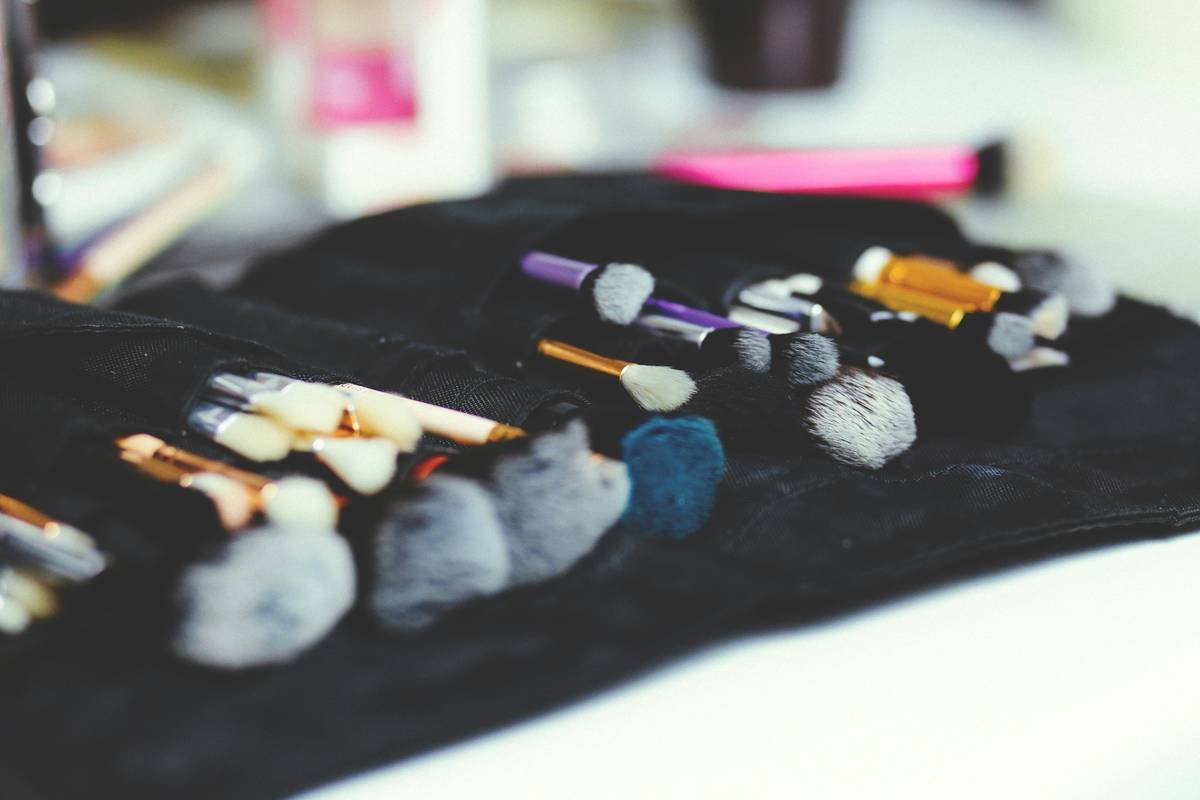
And don’t store them upright in cups. Horizontal storage in ventilated cases prevents moisture pooling at the ferrule, which loosens glue and causes shedding. One Broadway LD swears this doubled her brush life—cutting her annual supply cost by 60%.
Frequently Asked Questions
Can I use regular makeup brushes for theatrical work?
Only for very light stage roles. Heavy pigments and solvents degrade standard fibers fast—leading to poor application and skin irritation.
How many brushes do I really need for fantasy makeup?
Start with 7 core shapes: flat shader, stipple, angled liner, small round, fan blender, sponge tip, and dual-ended. Expand only as your complexity grows.
Are expensive theatrical makeup brushes worth it?
Sometimes. But a $10 synthetic stipple often outperforms a $25 natural one for water-based paints. Match material to medium—not price tag.