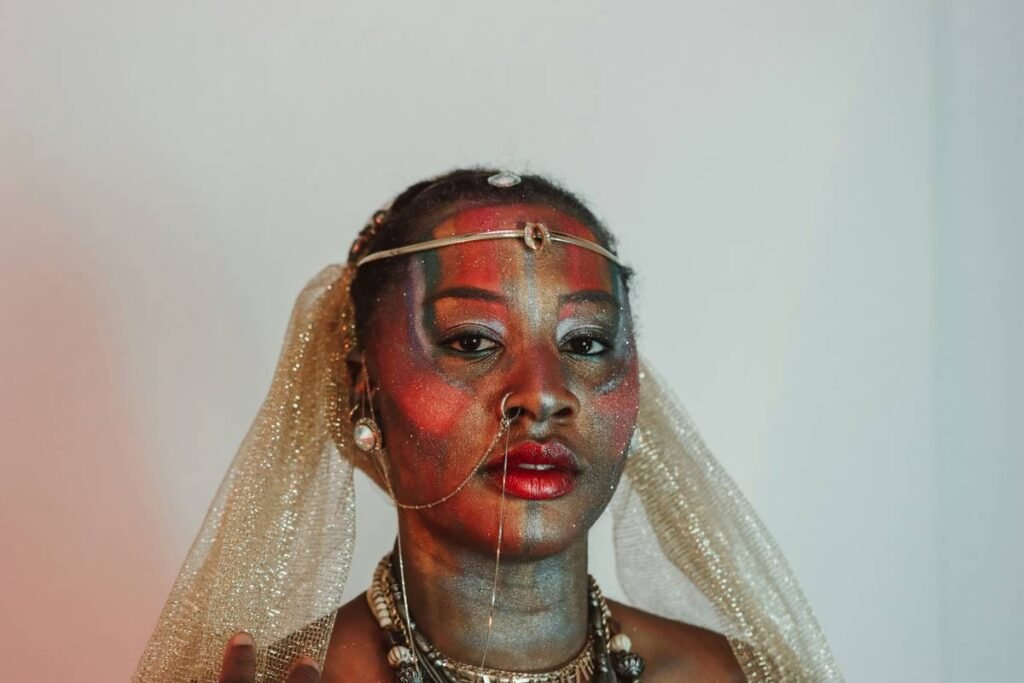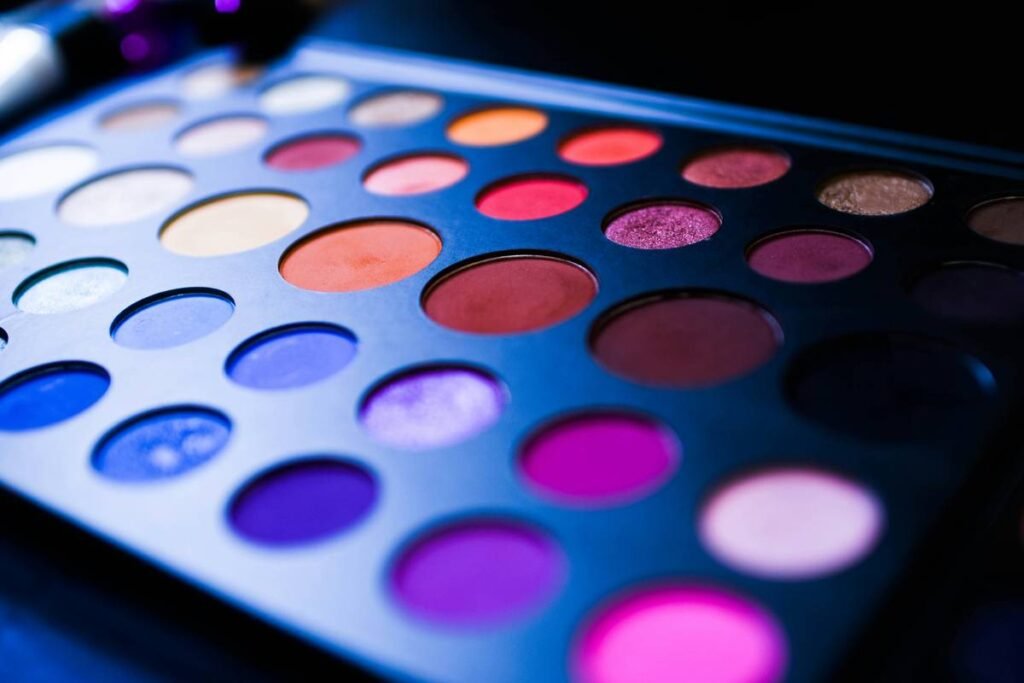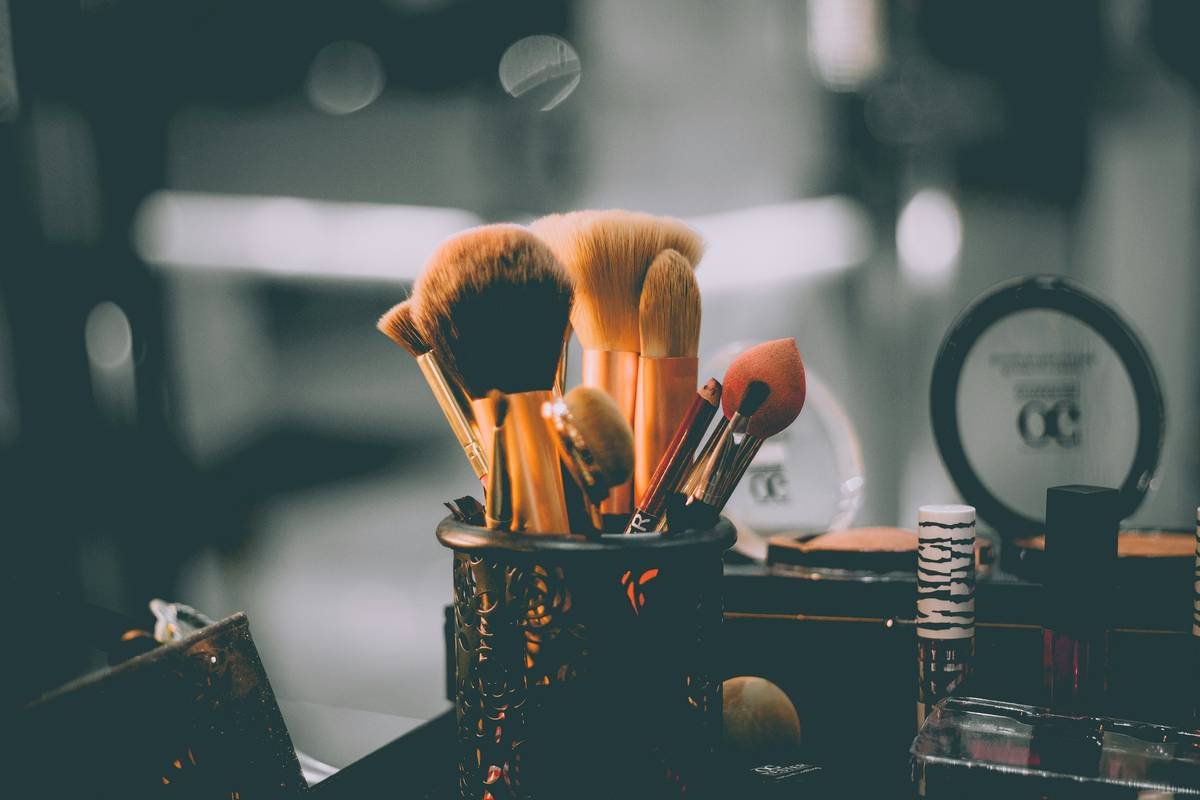
Fantasy makeup falls flat when your tools betray you. You spend hours designing ethereal elves or post-apocalyptic warriors—only to watch pigments smear, blend unevenly, or vanish under stage lights. The frustration is real. But the fix isn’t more products. It’s better artistic makeup brushes.
Why Off-the-Shelf Brushes Fail Fantasy Artists
Drugstore brushes are engineered for subtle contouring—not summoning storm dragons from cheekbones. Their synthetic fibers shed under alcohol-based paints. Bristle density? Far too loose for precision linework. And don’t get me started on ferrule detachment after one vigorous clean.
Worse—they encourage bad habits. Soft, fluffy brushes force you to layer endlessly, muddying colors that should pop. You end up masking technique with product volume. That’s not artistry. That’s damage control.
Building Your Fantasy Brush Arsenal: A Step-by-Step Guide
Selecting Fiber Types for Maximum Control
Natural sable holds liquid pigment like a reservoir—ideal for seamless gradients on latex prosthetics. But synthetics? Better for cream-heavy formulas and sanitation (critical in shared studio spaces). Choose based on your base medium, not Instagram trends.
Handle Length Matters More Than You Think
Short handles give fingertip control for intricate face detailing. Long handles offer reach and leverage for full-body painting at conventions. Own both. Switch mid-session if needed. Your wrist will thank you after ten-hour gigs.
Cleaning Without Compromise
Dunking in generic brush cleaner dissolves glue over time. Use 70% isopropyl alcohol for quick disinfecting between clients—and a pH-neutral shampoo weekly for deep fiber restoration. Air-dry bristles down. Never flat.
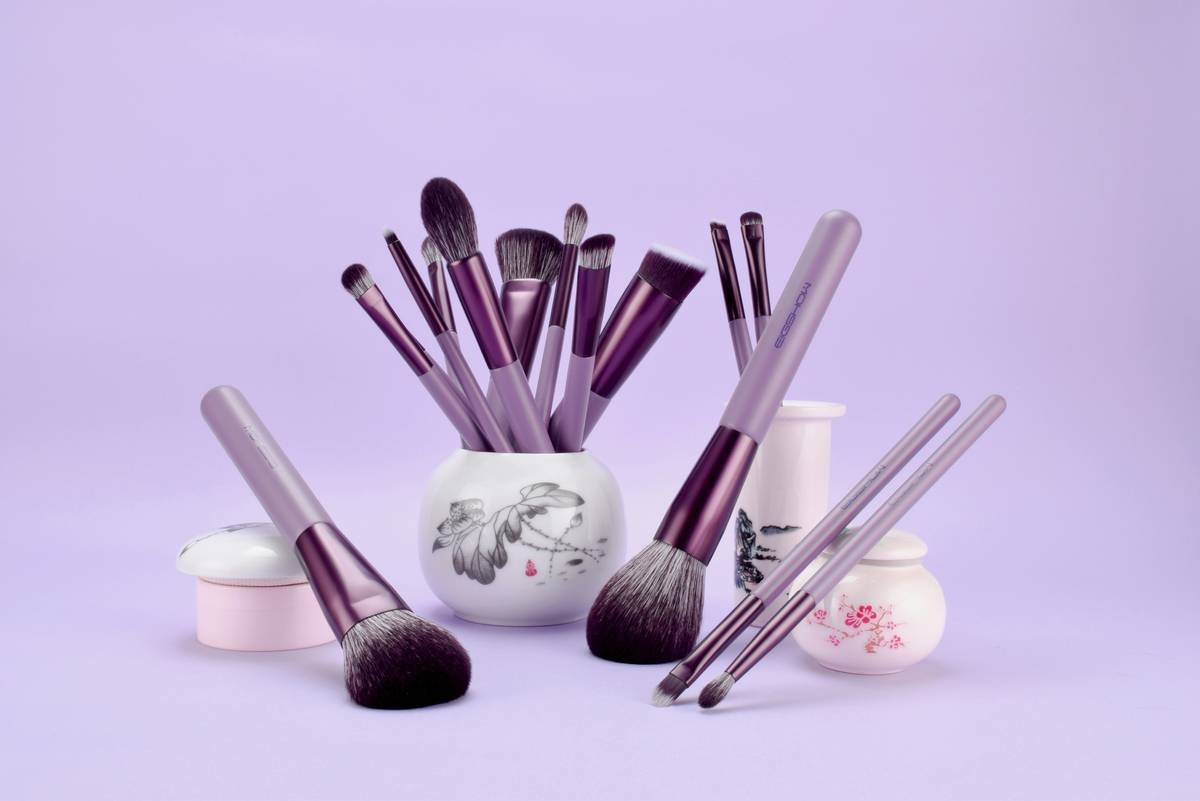
| Brush Type | Best For | Avg. Cost | Lifespan (Pro Use) |
|---|---|---|---|
| Angled Liner (Sable) | Scale detailing, vein work, sharp runes | $18–$32 | 8–12 months |
| Stippling Dome (Synthetic) | Texture effects: scars, pores, moss | $12–$22 | 6–9 months |
| Flat Shader (Mixed Fiber) | Blocking base colors on large areas | $15–$25 | 10–14 months |
| Micro Round #00 (Sable) | Eyeball highlights, freckle clusters | $28–$45 | 4–6 months |
The Industry Secret: Brush “Breaking In” Changes Everything
Most artists skip this—and it costs them weeks of inconsistent results. New brushes have factory coatings that repel water-based paints. Before first use, swirl them in a mix of warm water, olive oil, and a drop of dish soap. Rinse thoroughly. This opens the cuticles of natural fibers, letting pigment cling evenly from stroke one.
And here’s the kicker: rotate your primary brushes every three gigs. Let them rest 48 hours. Overuse fatigues fibers, causing micro-fraying you can’t see—but your blending definitely feels. Pros treat brushes like racehorses: performance peaks with strategic recovery.
Frequently Asked Questions
Can I use regular makeup brushes for fantasy looks?
No. Standard brushes lack stiffness and precision. They’ll fray under thick theatrical paints and can’t execute fine details like scales or runes effectively.
How often should I replace artistic makeup brushes?
Every 6–12 months with professional use. Watch for split ends, shedding, or loss of shape—that’s your cue, not the calendar.
Are synthetic brushes as good as natural for fantasy makeup?
For cream or alcohol-based paints—yes, often better. Natural fibers excel with water-based formulas but degrade faster with solvents. Match fiber to formula.